
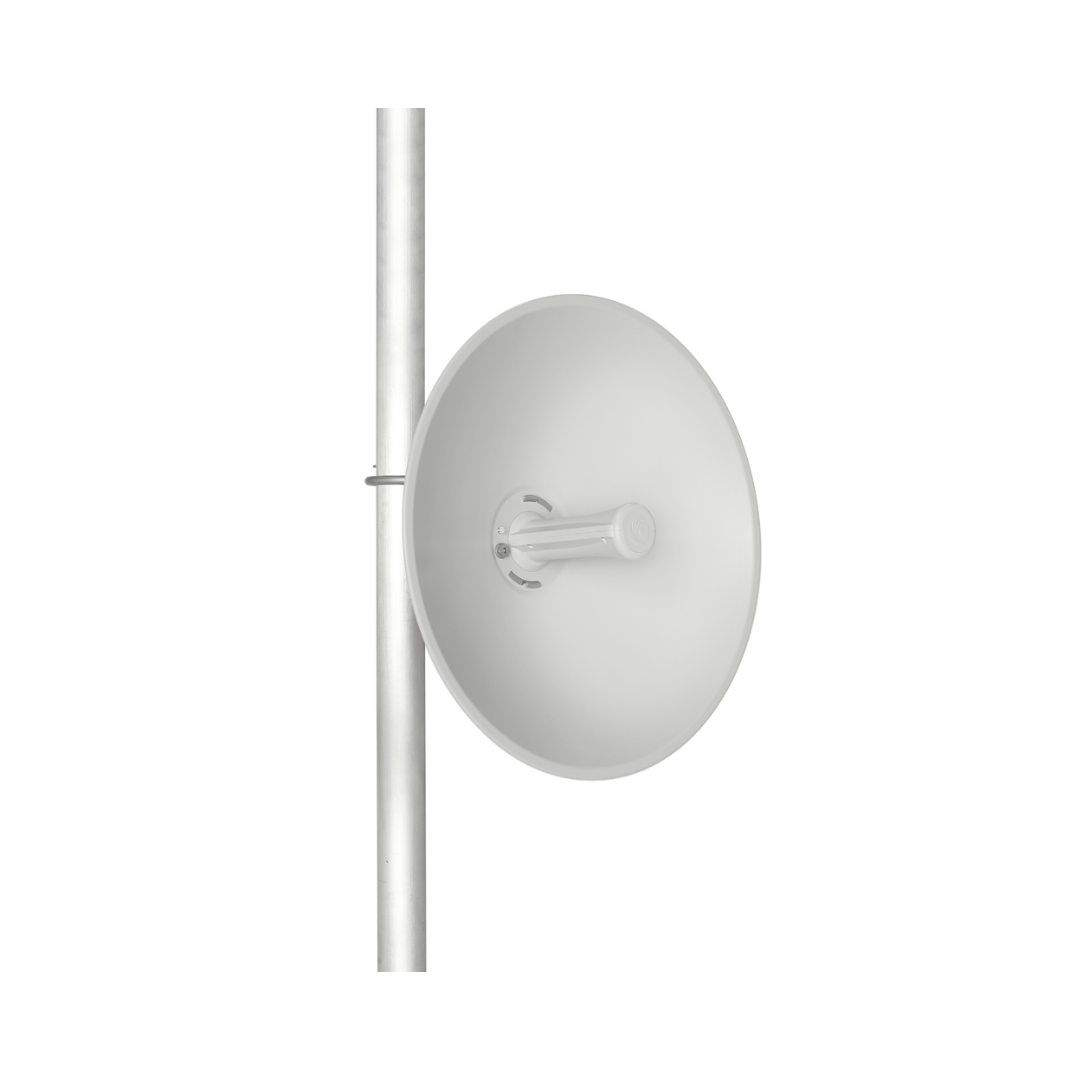

“Cambium PMP 450 & ePMP Backhaul Family: ePMP Force 300-25 Access Point
The Cambium PMP 450 & ePMP Backhaul Family introduces the ePMP Force 300-25 Access Point, a powerful solution designed to enhance the connectivity and performance of modern networks. As part of the PMP 450 & ePMP Backhaul Family, the Force 300-25 Access Point offers exceptional reliability, throughput, and scalability, making it an ideal choice for service providers, enterprises, and various infrastructure deployments.
Key Features:
1. HighPerformance Connectivity:
The ePMP Force 300-25 Access Point delivers highperformance connectivity, supporting data rates of up to 600 Mbps. Its robust wireless link ensures reliable and lowlatency connections, making it suitable for bandwidthintensive applications such as video streaming, VoIP, and largescale data transfers.
2. Flexible Deployment Options:
With its flexible deployment options, the Force 300-25 Access Point can be configured as a pointtopoint (PTP) or pointtomultipoint (PMP) solution, providing versatile connectivity solutions for various applications, including backhaul, access, and distribution.
3. DualBand Operation:
Operating in both 5 GHz and 2.4 GHz frequency bands, the Force 300-25 Access Point offers flexibility and versatility in deployment. It can adapt to different frequency environments, ensuring optimal performance and spectrum utilization.
4. Integrated GPS Synchronization:
Equipped with integrated GPS synchronization technology, the Force 300-25 Access Point enables precise timing synchronization across multiple access points, minimizing interference and optimizing network capacity and performance.
5. Advanced Quality of Service (QoS):
The Force 300-25 Access Point supports advanced Quality of Service (QoS) features, allowing network operators to prioritize traffic and ensure optimal performance for critical applications. This ensures a consistent and reliable user experience, even during peak usage periods.
6. Robust Security Features:
Security is paramount, and the Force 300-25 Access Point is equipped with robust security features to protect sensitive data and networks. It supports AES encryption and secure management interfaces, ensuring secure transmission and management of data.
7. Easy Installation and Management:
The Force 300-25 Access Point features a userfriendly design that simplifies installation and management. With its intuitive webbased interface and centralized management tools, such as Cambium Networks’ cnMaestro™, network operators can easily configure, monitor, and optimize their wireless networks.
8. Rugged and Weatherproof Design:
Built to withstand harsh environmental conditions, the Force 300-25 Access Point features a rugged, weatherproof enclosure that ensures reliable operation in extreme weather conditions. Its robust construction makes it suitable for outdoor deployments in challenging environments, providing consistent performance and durability.
Applications:
Service Providers: Extend network reach and capacity with highspeed wireless backhaul, enabling efficient delivery of broadband services to urban, suburban, and rural areas.
Enterprise Networks: Connect remote offices, branch locations, or temporary sites with reliable and secure wireless connectivity, enhancing overall network performance and flexibility.
Public Safety: Support critical communications for public safety agencies with robust and secure wireless backhaul, ensuring seamless connectivity for emergency response and operations.
Utilities and Energy: Enhance communication and data transfer capabilities in remote or challenging locations, improving operational efficiency and safety in the energy and utility sectors.
The ePMP Force 300-25 Access Point, part of the Cambium PMP 450 & ePMP Backhaul Family, offers a reliable, highperformance, and scalable wireless backhaul solution for diverse network deployments. With its advanced features, flexible deployment options, and rugged design, the Force 300-25 Access Point delivers superior connectivity and performance, meeting the connectivity needs of modern networks.”